Comprehending the Different Sorts Of Stained Concrete for Your Next Project
Stained concrete offers various alternatives that satisfy various aesthetic and useful needs. Each kind offers distinctive features that affect the last appearance and sturdiness of the surface area. Recognizing these distinctions is vital for anybody planning a project. From rich, chemical responses of acid-based stains to the vibrant uniformity of solid color stains, the selections can greatly impact the outcome. What elements should one consider when picking the suitable tarnish for their certain demands?
Overview of Stained Concrete
Stained concrete offers as a versatile floor covering option that can boost the aesthetic appeal of numerous spaces. This strategy includes using a coloring representative to the surface of existing concrete, permitting for a broad range of design opportunities. Stained concrete is preferred in both property and industrial environments, supplying a sturdy and low-maintenance remedy that can resemble the look of all-natural materials like rock or tile.
The discoloration process can be implemented using water-based or solvent-based products, each offering unique visual results. The last appearance is affected by factors such as the original concrete surface area, the type of tarnish used, and the application method. Stained concrete not only improves exterior and interiors yet also promotes sustainability by rejuvenating existing concrete frameworks. Consequently, it has actually acquired traction among property owners and developers looking for both performance and design in their floor covering options.
Acid-Based Stains: Characteristics and Advantages

Special Color Variations
Concrete surface areas can change significantly with the application of acid-based stains, which supply a rich combination of unique color variants. These stains penetrate the concrete, responding chemically to produce dynamic planet tones that range from deep browns and reds to soft environment-friendlies and blues. The resulting shades are typically variegated, producing a natural, marble-like appearance that enhances the concrete's character. Each application yields distinct results due to variations in the concrete's structure and the discoloration technique used, making every job distinct. Furthermore, acid-based stains can be layered or combined with other techniques to create tailored styles, allowing for individual expression. This versatility makes acid-based stains a prominent selection for both property and commercial applications.
Chain Reaction Clarified
While numerous aspects contribute to the efficiency of acid-based stains, the underlying chain reaction play a crucial duty in their special features and advantages. These stains primarily include water, acid, and metallic salts. When applied to concrete, the acid reacts with the calcium hydroxide in the cement, developing a chemical transformation that leads to irreversible color adjustments. The metallic salts permeate the surface area and bond with the concrete, permitting a large range of colors and tones. This response not only enhances visual charm but additionally gives durability, making the shade immune to fading and wear. Furthermore, acid-based stains can create a variegated finish that simulates natural rock, additional improving their popularity for ornamental concrete applications.
Surface Area Prep Work Significance
Attaining perfect outcomes with acid-based stains copyrights on complete surface prep work. This crucial step warranties that the concrete surface is clean, without impurities, and appropriately profiled for optimal stain absorption. Any kind of existing sealers, dust, or oils can prevent the chemical response that generates the preferred color and coating, resulting in unequal or uneven outcomes.
Prior to using the tarnish, the concrete must be mechanically cleaned or pressure cleaned, followed by an extensive inspection for fractures or imperfections that may require repair service. Additionally, verifying the surface is appropriately dried will boost tarnish adherence. By prioritizing these primary actions, the longevity and vibrancy of acid-based stains can be significantly improved, leading to a more visually pleasing and durable coating.
Water-Based Stains: Attributes and Advantages
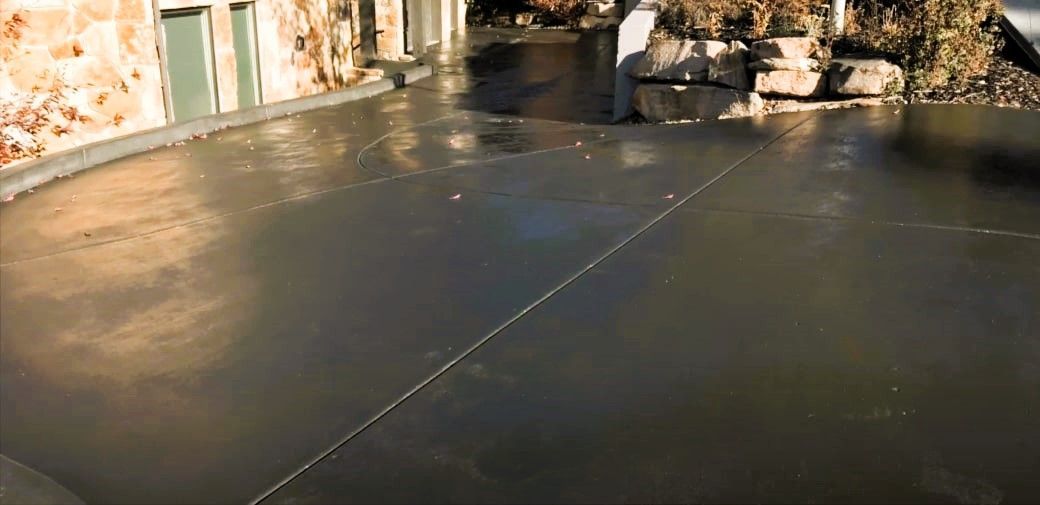
Water-based stains pass through the concrete, offering a more clear coating that highlights the all-natural texture and variations of the YOURURL.com surface area below. They are offered in a wide variety of shades, allowing for innovative flexibility in design. In addition, water-based stains are simpler to cleanse up, calling for only water and soap, which simplifies the application procedure.
Their fast drying time improves effectiveness, making them a sensible choice for both DIY lovers and experts. Overall, water-based stains supply an appealing combination of visual flexibility and straightforward homes, making them a preferred choice for concrete improvement projects.
Strong Color Stains: Vivid Alternatives for a Vibrant Appearance
Solid color stains offer an efficient option for those seeking to create a bold and vibrant aesthetic on concrete surfaces. These stains provide an uniform coloration that can drastically improve the aesthetic charm of floorings, patio areas, and driveways. Readily available in a vast range of hues, solid color stains enable innovative expression, accommodating different layout preferences.
Among the vital advantages of solid color stains is their capability to conceal imperfections, offering a fresh and refined aim to maturing concrete - Stained Concrete Floors Austin. Furthermore, their formula typically consists of UV-resistant residential or commercial properties, ensuring long life and shade retention also in extreme weather
Application is straightforward, requiring marginal prep work of the concrete surface. Once used, strong color stains can be sealed for included security and sheen, more boosting their aesthetic top quality. With their dynamic alternatives, strong color stains are a superb option for those aiming for an impactful and natural style.
Semi-Transparent Stains: Attaining Depth and Measurement
Semi-transparent stains offer an unique technique to enhancing concrete surface areas by giving depth and measurement with numerous color choices. Comprehending the application strategies is essential for accomplishing the wanted impact, while correct maintenance techniques ensure long life. This area will check out these vital aspects to maximize the benefits of semi-transparent discoloration.
Shade Options Available
A wide array of color choices exists for semi-transparent stains, permitting house owners and designers to enhance the natural beauty of concrete surface areas. These stains are available in a range of shades, from earthy tones like browns and terracottas to dynamic shades such as blues and environment-friendlies. The semi-transparent nature of these stains allows the underlying concrete to show through, producing a special deepness and measurement that can enhance numerous layout aesthetic appeals. Furthermore, incorporating various shades can produce custom-made shades, allowing a customized seek each job. This versatility makes semi-transparent stains a prominent option for both interior and exterior applications, as they can harmonize with surrounding elements while adding visual interest to plain concrete.
Application Techniques Discussed
To accomplish the wanted deepness and measurement with semi-transparent stains, correct application strategies are essential. Surface preparation is vital; the concrete needs to be tidy and complimentary of any kind of contaminants. This commonly entails power cleaning and fixing any kind of splits. Next off, selecting the appropriate applicator, such as a sprayer, roller, or brush, can affect the last look. Sprayers enable for a more even application, while rollers can aid attain structure. It is essential to use the tarnish in slim, even layers, allowing each layer to completely dry prior to adding one more. Manipulating the application strategy, such as varying pressure or making use of different tools, can develop special effects. Sealing the stained surface area improves the vibrancy of the colors while offering protection.
Maintenance Ideal Practices
Regular upkeep is vital for preserving the appeal and integrity of surface areas treated with semi-transparent stains. To keep these surfaces, regular cleaning is essential. Making use of a pH-neutral cleaner and a soft-bristle broom will assist get rid of dirt and debris without damaging the tarnish. It is advisable to avoid extreme chemicals, as they can weaken the stain's appearance. Additionally, periodic resealing each to 3 years can safeguard against wear and fading. This procedure involves cleaning up the surface area thoroughly and applying a compatible sealer created for stained concrete. House owners need to also keep an eye on for any indicators of staining or damage and address these concerns without delay to guarantee durable vibrancy and toughness. Adhering to these best techniques will boost the total life expectancy visit the website of semi-transparent stained surfaces.
Effects and Techniques: Tailoring Your Stained Concrete
Customizing stained concrete entails a range of methods that boost both aesthetics and capability. Amongst these methods, layering different stain colors can develop depth and complexity, allowing for unique visual results. Methods such as acid discoloration supply a variegated look, while water-based stains use a more uniform appearance.
Furthermore, including ornamental patterns, such as stenciling or inscription, can further customize the surface, adding detailed designs anchor that cater to specific tastes. Texturing the concrete, whether with stamping or mop finishes, introduces tactile aspects that not just boost hold yet likewise boost aesthetic rate of interest.
Using sealants can magnify the color vibrancy and give security against wear. Modification methods extend past simple shade; they can transform a common concrete slab right into a sensational focal factor, making it suitable for both household and industrial spaces. Via cautious selection of results and methods, stained concrete can achieve a truly tailored appearance.
Upkeep and Longevity of Stained Surfaces
Although stained concrete surface areas are known for their resilience and aesthetic allure, preserving their stability is vital for making sure longevity. Normal cleansing is essential; sweeping and mopping with a pH-neutral cleaner assists protect against dirt accumulation and discoloration. In addition, using a sealer every few years can secure the surface area from moisture, chemicals, and UV damage, thus boosting its life-span.
It is also important to deal with any type of fractures or chips without delay. Tiny repairs can reduce additional damage, preserving the visual and structural high quality of the surface area. For exterior stained concrete, seasonal maintenance, such as removing snow and ice, is needed to avoid surface damage from freeze-thaw cycles.
Regularly Asked Inquiries
Can I Stain Existing Concrete Surfaces or Just Brand-new Ones?
The concern of whether existing concrete surfaces can be stained arises frequently. It is indeed feasible to tarnish both new and old concrete, supplied the surface area is effectively ready and devoid of contaminants for ideal attachment.
Exactly how Long Does the Staining Process Typically Take?
The discoloration procedure usually takes one to three days, depending on elements such as surface area prep work, kind of discolor, and climate condition. Stained Concrete Floors Austin Tx. Treating time might prolong past initial application, affecting the overall period considerably
Is Stained Concrete Safe for Outdoor Usage?
Stained concrete is generally risk-free for exterior use, gave it is correctly secured. This sealing safeguards versus moisture and UV damage, making certain sturdiness and safety and security, while also boosting the visual appeal of outside rooms.
Can I Apply Several Discoloration Layers for Different Impacts?
Using numerous stain layers can accomplish diverse effects on stained concrete. Nevertheless, it is necessary to ensure compatibility between stains and allow proper drying out time in between applications to stay clear of unintentional reactions or staining.
Exist Any Kind Of Shade Limitations for Stained Concrete?
Shade constraints for stained concrete mostly rely on the kind of stain used, with water-based stains using a more comprehensive palette compared to acid-based stains. Stained Concrete Floors Austin Tx. Attaining vivid shades may need mindful choice and application strategies.